
2025-01-26
The Environmental Impact of Lithium Batteries in Electric Scooters
As electric scooters become more popular, particularly in urban transportation, there is an increasing focus on the environmental impact of the technologies that power them. One of the most critical components of an electric scooter is its battery, and in most cases, lithium-ion (Li-ion) batteries are used due to their high energy density and efficiency. However, despite their advantages, lithium batteries come with environmental concerns related to their production, usage, and disposal. In this article, we will delve into these issues, explore how lithium batteries for electric scooters affect the environment, and examine how the industry can work toward mitigating these impacts.

What Are Lithium Batteries for Electric Scooters?
Lithium-ion batteries are widely used in electric scooters due to their lightweight nature and ability to store a large amount of energy relative to their size. These batteries consist of lithium compounds and an electrolyte, which allow the flow of ions between the cathode and anode. This process stores and releases energy to power the electric scooter.
While lithium-ion batteries are highly efficient, they require careful management throughout their lifecycle to minimize negative environmental effects. Let's explore the environmental impact at different stages of the battery's life, including production, usage, and disposal.
Environmental Impact During Lithium Battery Production
The production of lithium-ion batteries involves mining raw materials such as lithium, cobalt, nickel, and graphite. These materials are sourced from various parts of the world, with lithium being primarily mined in countries such as Chile, Argentina, and Australia. However, the environmental impact of mining these materials can be significant:
- Resource Depletion: Mining for lithium and other essential materials can deplete local resources and disrupt ecosystems, especially when mining operations are not regulated properly.
- Energy Consumption: Battery production is energy-intensive, and if the energy used in production comes from non-renewable sources, it adds to the carbon footprint of the final product.
- Water Usage: Lithium mining, especially in regions like the Atacama Desert, requires substantial amounts of water, which can strain local water supplies in already water-scarce areas.
To address these concerns, companies like Dece Power are working toward using more sustainable practices, such as sourcing materials responsibly, collaborating with ethical suppliers, and integrating green energy in manufacturing processes.
Usage Phase: Energy Efficiency and Emissions
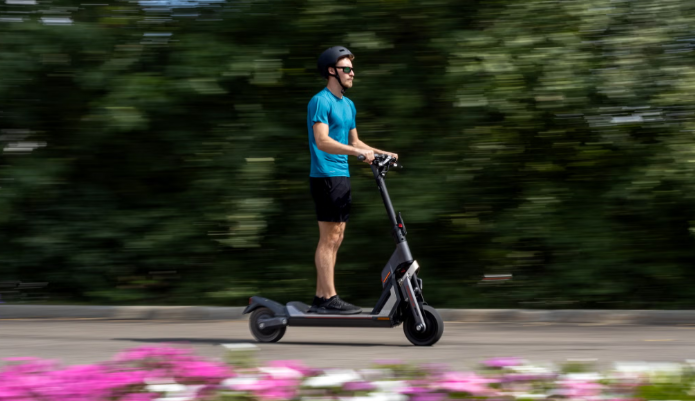
The usage phase of lithium batteries for electric scooters is the most environmentally friendly aspect of their lifecycle. Unlike traditional vehicles that run on fossil fuels, electric scooters produce no tailpipe emissions, making them a cleaner alternative for short-distance urban transport. The shift to electric scooters powered by lithium batteries helps reduce air pollution and greenhouse gas emissions in crowded city centers.
However, the efficiency of lithium-ion batteries is not without challenges:
- Battery Lifespan: The lifespan of a lithium battery is limited, typically between 500-1000 charge cycles. Over time, battery performance degrades, leading to a reduced range for the electric scooter and the need for replacement.
- Energy Consumption: The amount of electricity required to charge the batteries can have an indirect environmental impact, depending on the source of the electricity. Charging an electric scooter with electricity from non-renewable sources negates some of its environmental benefits.
Dece Power is committed to increasing the energy efficiency of its electric vehicles by using advanced battery technologies, which ensure longer battery life and reduced energy consumption over time.
Disposal and Recycling Challenges
Once a lithium-ion battery reaches the end of its useful life, it must be disposed of or recycled. Improper disposal can lead to significant environmental hazards:
- Toxicity: If not disposed of properly, lithium batteries can leak hazardous chemicals like cobalt and nickel, which can contaminate soil and groundwater.
- Landfill Space: Lithium batteries that end up in landfills contribute to growing waste, as they can take decades to decompose, releasing harmful substances into the environment.
To combat these issues, battery recycling programs are becoming more common, although the process is still challenging and not always efficient. Currently, less than 5% of lithium batteries are recycled, primarily due to the complexity of the process and the expense involved.
Solutions for Reducing the Environmental Impact of Lithium Batteries
While the environmental concerns surrounding lithium batteries are real, several steps can be taken to reduce their impact and create a more sustainable future for electric scooters.
Battery Recycling and Reuse
Encouraging the recycling of lithium batteries is a key step in minimizing environmental harm. Recycling can recover valuable materials like lithium, cobalt, and nickel, reducing the need for further mining. New technologies are being developed to improve the efficiency of battery recycling, making it a more viable option in the future.
Encouraging the recycling of lithium batteries is a key step in minimizing environmental harm. Recycling can recover valuable materials like lithium, cobalt, and nickel, reducing the need for further mining. New technologies are being developed to improve the efficiency of battery recycling, making it a more viable option in the future.