
2025-10-15
Can You Leave a Waterproof Off Road Electric Scooter in the Rain?
Electric scooters have become an essential mode of personal transportation for modern commuters and outdoor enthusiasts. As their popularity grows, so do questions about their durability—especially when it comes to rainy conditions. Riders often wonder: Can you leave a waterproof off road electric scooter in the rain? This article explores the science behind waterproofing, the limits of protection, maintenance tips, and long-term care for your scooter in wet weather.
Understanding Waterproof Ratings in Electric Scooters
Before discussing whether you can safely leave your scooter in the rain, it’s crucial to understand the meaning of waterproof ratings. Every waterproof off road electric scooter has an Ingress Protection (IP) rating, which measures its resistance to dust and water.
For instance:
-
IP54 means the scooter is protected from limited dust ingress and water splashes.
-
IP55 or IP56 provides better protection against strong water jets.
-
IP67 or IP68 indicates high resistance to immersion in water for short durations.
However, even scooters with a high IP rating are not fully “waterproof.” They are water-resistant, designed to handle occasional rain, not prolonged exposure.
What Happens When a Scooter Gets Wet?
When rainwater reaches electrical components, several risks arise. Water can seep into the battery compartment, motor, and control board, leading to corrosion, short circuits, or reduced efficiency. A waterproof off road electric scooter minimizes these risks with sealed housings, rubber gaskets, and protective coatings.
Still, long-term exposure to rain can degrade insulation and bearings, causing rust and performance loss. Therefore, even if your scooter is designed for outdoor conditions, constant moisture is harmful.
Can You Ride a Waterproof Off Road Electric Scooter in the Rain?
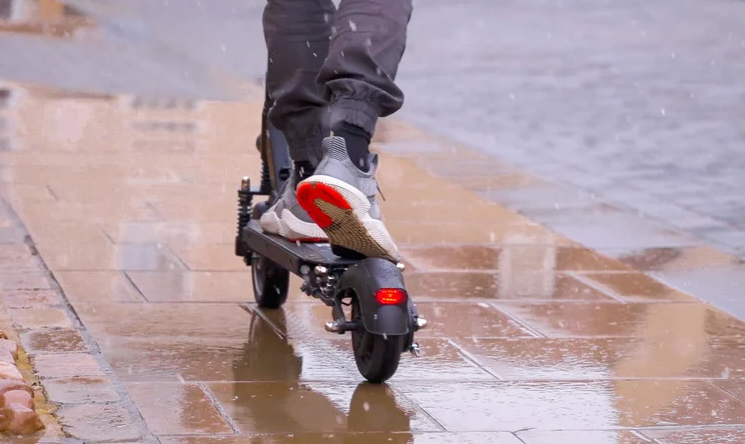
Yes, you can ride a waterproof off road electric scooter in the rain—if it’s light rain and the scooter has a sufficient IP rating. Many off-road models are built for rugged terrain and mild weather challenges. Their tires offer extra grip, and the deck often features anti-slip materials.
However, you should:
-
Avoid riding through deep puddles or flooded roads.
-
Keep speeds moderate to prevent water splash into sensitive parts.
-
Dry the scooter thoroughly after use.
Riding in heavy rain, snow, or during storms is unsafe—not only for the scooter’s electronics but also for your safety.
What About Leaving It Out in the Rain?
Leaving your scooter outdoors in the rain is not advisable, even if it’s a waterproof off road electric scooter. Water can gradually enter small openings such as charging ports, screws, and the folding mechanism. Prolonged exposure may cause rust, mold, and battery degradation.
If you must leave it outside temporarily:
-
Use a waterproof cover or tarp.
-
Keep it on elevated ground to avoid puddles.
-
Wipe it dry as soon as possible after rain.
Regular exposure to moisture shortens the scooter’s lifespan. It’s best to store it indoors whenever possible.
Factors That Affect Water Resistance
The durability of your waterproof off road electric scooter in rain depends on multiple factors:
-
Design and Seal Quality – Premium scooters have silicone-sealed joints and enclosed motor hubs.
-
Maintenance Frequency – Dirt and rust buildup can compromise waterproof seals.
-
Age of Components – Older scooters lose protective coating and insulation effectiveness.
-
Type of Terrain – Muddy or sandy surfaces increase the risk of water infiltration.
-
A well-maintained scooter remains more resistant to rain and environmental challenges.
Maintenance Tips After Riding in the Rain
Proper post-ride care ensures that your waterproof off road electric scooter stays in optimal condition. Follow these steps: