
2024-11-15
What is the difference between a mobility scooter and an electric scooter?
Electric vehicles are quickly becoming a preferred mode of transportation due to their eco-friendliness and convenience. Within the electric vehicle category, electric mobility scooters and electric scooters are two distinct types of vehicles that serve different needs and target audiences. While both are powered by electricity and offer an alternative to traditional gas-powered transportation, they differ significantly in terms of design, functionality, and intended use. In this article, we will break down the key differences between these two types of scooters to help you understand which one is right for you.

What is an Electric Mobility Scooter?
An electric mobility scooter is a type of electric vehicle specifically designed to aid people with mobility impairments or disabilities. These scooters are built with features that make them easy to operate, comfortable, and safe for users who may have difficulty walking or standing for extended periods.
Key Features of Electric Mobility Scooters:
· Design and Comfort: Electric mobility scooters are typically larger, with a more robust frame and comfortable seating. They often feature a swivel seat, armrests, and a footrest for added comfort and support. The design is focused on providing stability and ease of use for individuals with limited mobility.
· Speed and Range: The average speed of an electric mobility scooter is usually around 4 to 8 mph, making them slower than electric scooters. The range typically varies between 15 to 25 miles on a single charge, depending on the model and battery size.
· Intended Use: Electric mobility scooters are mainly used for short-distance travel, especially for people who need assistance in moving around, whether at home, in shopping centers, or on public sidewalks. These scooters are often considered a mobility aid and are designed for use in controlled environments.
· Safety Features: Safety is a priority in the design of electric mobility scooters. Many models come equipped with features like adjustable speed settings, anti-tip mechanisms, and a wide base for enhanced stability.
Ideal for:
· Elderly individuals
· People with disabilities or limited mobility
· Use in both indoor and outdoor environments (e.g., shopping malls, parks, or residential areas)
· People with disabilities or limited mobility
· Use in both indoor and outdoor environments (e.g., shopping malls, parks, or residential areas)
What is an Electric Scooter?
On the other hand, an electric scooter is a two-wheeled electric vehicle typically designed for personal transportation. It is popular among commuters, urban dwellers, and younger individuals who want a fast, convenient, and eco-friendly mode of transportation.
Key Features of Electric Scooters:
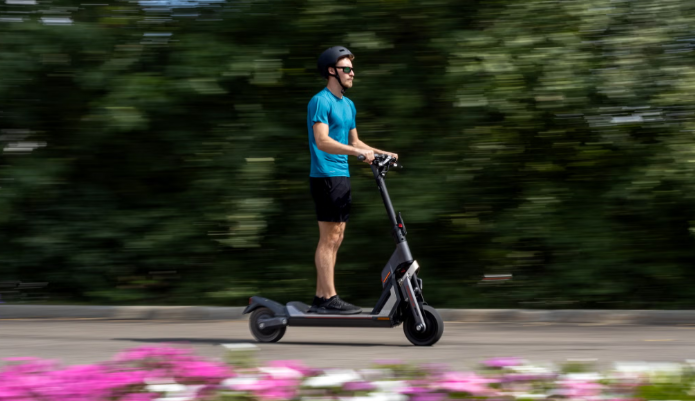
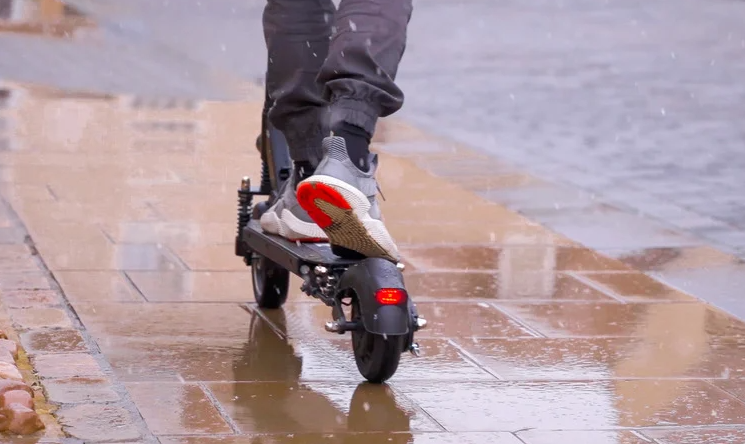
· Design and Portability: Electric scooters tend to be more compact and lightweight than mobility scooters, making them easier to store, fold, and carry. They are designed with a standing platform and handlebars, and some models can be folded for easy transport or storage in tight spaces.
· Speed and Range: Electric scooters are generally faster than mobility scooters, with top speeds ranging from 15 to 30 mph, depending on the model. The range can vary between 15 and 40 miles on a full charge, again depending on the battery and riding conditions.
· Intended Use: Electric scooters are primarily used for commuting and short-distance travel, especially in urban areas. They are ideal for quick trips to work, school, or for recreational purposes. These scooters are meant for riders who can stand and balance while riding.
· Safety Features: While electric scooters are equipped with safety features like lights, reflectors, and braking systems, they do not typically have the same level of stability features as electric mobility scooters. Riders must have good balance and coordination.
Ideal for:
· Commuters and young professionals
· Short-distance transportation in urban environments
· Individuals who enjoy recreational riding
· Short-distance transportation in urban environments
· Individuals who enjoy recreational riding
Key Differences Between Electric Mobility Scooters and Electric Scooters
1. Purpose and Target Audience
The most significant difference between an electric mobility scooter and an electric scooter lies in their intended purpose. Mobility scooters are primarily designed to assist people with mobility challenges, whereas electric scooters are built for people who can stand and ride, offering a more flexible, fast, and fun transportation option.
The most significant difference between an electric mobility scooter and an electric scooter lies in their intended purpose. Mobility scooters are primarily designed to assist people with mobility challenges, whereas electric scooters are built for people who can stand and ride, offering a more flexible, fast, and fun transportation option.
Electric mobility scooters prioritize comfort and ease of use, catering to individuals who need extra support when moving from one place to another. In contrast, electric scooters focus on providing fast and efficient travel for those seeking quick transportation over short distances.
2. Design and Comfort
Electric mobility scooters are designed with an emphasis on comfort and stability, offering larger seating and a robust frame. They provide greater support for individuals who may have physical limitations, including a higher weight capacity and better stability.
Electric mobility scooters are designed with an emphasis on comfort and stability, offering larger seating and a robust frame. They provide greater support for individuals who may have physical limitations, including a higher weight capacity and better stability.
Electric scooters, however, are more minimalist in design, with a standing platform and handlebars, aimed at individuals who need something lightweight and easy to carry. These scooters are typically not as comfortable or stable as mobility scooters, as they are intended for active riders who can stand for the duration of the ride.